

Refurbished Loading Shovel Attachments: High Tip Buckets, General Purpose Buckets, Clamp Buckets, and Pusher Blades
Loading shovel attachments such as high tip buckets, general purpose buckets, clamp buckets, and pusher blades are vital tools in industries such as agriculture, construction, and waste management. Over time, the extreme wear and tear these attachments endure from harsh environments, abrasive materials, and heavy loads can degrade their performance.
Rather than opting for the significant expense of purchasing new attachments, refurbishing offers a cost-effective alternative that restores functionality and extends their service life.
This article explores the refurbishment process of loading shovel attachments, detailing the essential work involved and when it is a more prudent choice than buying new.
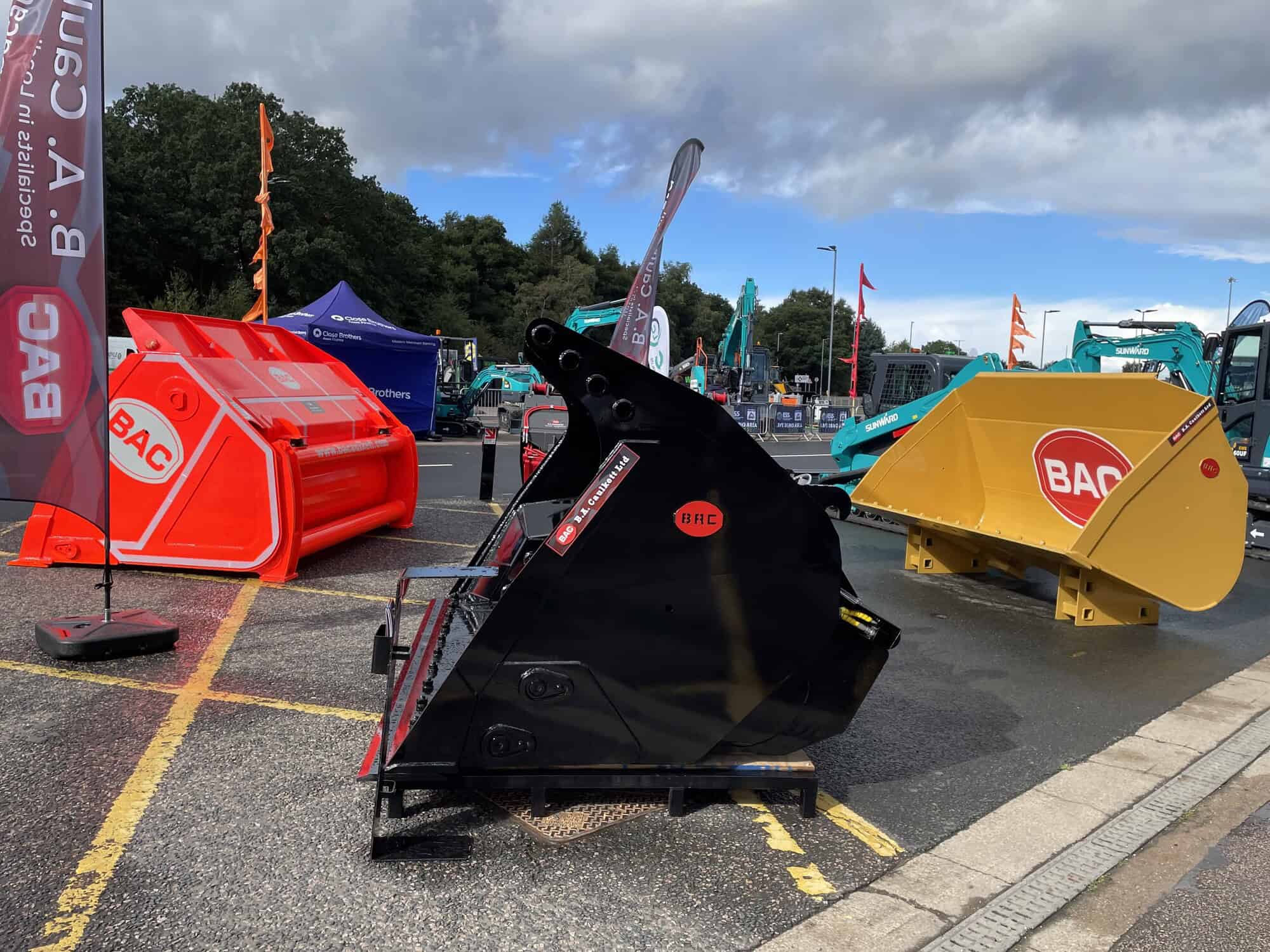
Before

After

Jack – what work has been completed that we can describe on the above image
Before

After

Jack – what work has been completed that we can describe on the above image
Painted 2 colour to match RAL colour spec
etc
Before

After

Jack – what work has been completed that we can describe on the above image
New hydraulics
New pipes
Fitted pressure relief valve
Fitted Automatic Lubrication
Before

After

Jack – what work has been completed that we can describe on the above image
Hydraulic hose protectors
Fully hydraulic tested
The Loading Shovel Attachments Refurbishment Process
Refurbishment of loading shovel attachments involves a range of restoration and repair tasks aimed at restoring the attachment’s performance and durability. Whether it’s a high tip bucket, a clamp bucket, or a pusher blade, the process typically includes the following key steps:
- Boring: Over time, the pivot points and pin holes of shovel attachments can wear out, leading to increased play in the connections and decreased performance. Boring is a precision machining process that restores these worn areas to their original specifications. The attachment is often rebored, and new bushings or sleeves are inserted to ensure a snug, tight fit. This is crucial for maintaining proper alignment and function during operation.
- Rams: Rams or hydraulic cylinders are critical components of attachments like high tip buckets and clamp buckets. They provide the lifting power and control needed to manipulate the attachment. During refurbishment, the rams are inspected for wear or damage, and any defective seals, rods, or cylinders are replaced or repaired. In some cases, the entire ram might be rebuilt to ensure it operates smoothly and reliably.
- Wear Edges and Heel Plates: Wear edges and heel plates are among the most vulnerable parts of a loading shovel attachment, as they make direct contact with abrasive materials such as soil, gravel, and other hard substances. In the refurbishment process, worn-out wear edges and heel plates are either replaced or reinforced with hardened materials to restore the attachment’s durability. The goal is to prevent further damage and prolong the lifespan of the attachment by adding additional protection in high-stress areas.
- Welding: Welding is a critical part of refurbishment, particularly when dealing with structural cracks or weaknesses. After thorough inspection, any cracked or worn-out areas are welded to restore the attachment’s structural integrity. Welding may also be used to add reinforcing plates or additional wear material to high-stress zones. The quality of the welding work is essential, as poor welding can lead to premature failure in these areas.
- Repainting: A fresh coat of paint is often the final step in the refurbishment process. Not only does repainting improve the aesthetic appearance of the attachment, but it also provides an additional layer of protection against corrosion and rust, which can be particularly damaging in harsh work environments. A high-quality industrial paint ensures the attachment is more resistant to the elements, contributing to its longevity. BAC is able to repaint to your exact brand colours.
When to Consider Refurbishing Loading Shovel Attachments
Knowing when to refurbish an attachment versus buying a new one depends on several factors, including the condition of the current attachment, the cost of refurbishment, and the projected remaining life of the equipment.
- Cost-Effectiveness: Refurbishment is often much more affordable than buying a new attachment, particularly for large or customised tools like high tip buckets or clamp buckets. If the frame and structure of the attachment are still in good condition but the wear edges, heel plates, or hydraulic components are worn, refurbishment can restore the attachment to a like-new condition at a fraction of the cost.
- Minimising Downtime: For businesses that rely on loading shovel attachments for daily operations, minimising downtime is critical. Refurbishing an attachment is generally quicker than waiting for a new one to be built and delivered, particularly if the attachment is a specialised or customised model. Many refurbishment companies offer fast turnaround times, which allows companies to get their equipment back into service quickly.
- Environmental Considerations: Refurbishing an attachment can also be a more sustainable option. The process reuses the main structure of the attachment, reducing the demand for raw materials and minimising the environmental impact associated with manufacturing new equipment. For companies with a focus on sustainability, refurbishment can be a key part of their eco-friendly practices.
- Preserving Customised Attachments: In industries like construction or waste management, where specific tasks often require highly customised attachments, refurbishing these tools can be the best option. Custom attachments can be expensive and time-consuming to replace, making refurbishment a practical solution to maintain a tool that fits the exact requirements of the job.
- Attachment Performance: If the attachment has started to under perform, showing signs of increased wear or difficulty in operation, refurbishment might be necessary. However, before deciding to refurbish, it’s important to evaluate whether the attachment has sustained significant structural damage or fatigue. If the integrity of the frame is compromised, refurbishment may not be the best option, and replacing the attachment may be more cost-effective in the long term.
- Equipment Age and Usage: The age and usage of the attachment also play a significant role in the decision. Attachments that are relatively new but have experienced heavy wear can benefit greatly from refurbishment. In contrast, very old attachments that have already undergone multiple repairs may be nearing the end of their useful life, and replacement may be more prudent.
Refurbished loading shovel attachments offer an economical and environmentally friendly alternative to purchasing new ones. By undergoing a thorough process of reboring, ram repair, welding, and repainting, refurbished attachments like high tip buckets, general purpose buckets, clamp buckets, and pusher blades can regain their original strength and performance. The decision to refurbish or buy new ultimately depends on the condition of the attachment, the urgency of the need, and budget considerations. For many businesses, refurbishment not only saves money but also reduces downtime and supports sustainability efforts, making it an attractive solution for prolonging the life of their loading shovel attachments. Contact B. A. Caulkett on 01440 706429 to discuss Refurbished Loading Shovel Attachments
