Case Wheel Loaders Loading Attachments
Discover How Our Attachments Optimise the Performance of Case Wheel Loaders
Explore our video collection demonstrating the exceptional performance of B. A. Caulkett loading shovel attachments on Case wheel loaders. Purpose-built to maximise efficiency, enhance safety and streamline operations, our attachments are a trusted choice across a wide range of industries.
B. A. Caulkett Attachments Tailored for Case Wheel Loaders
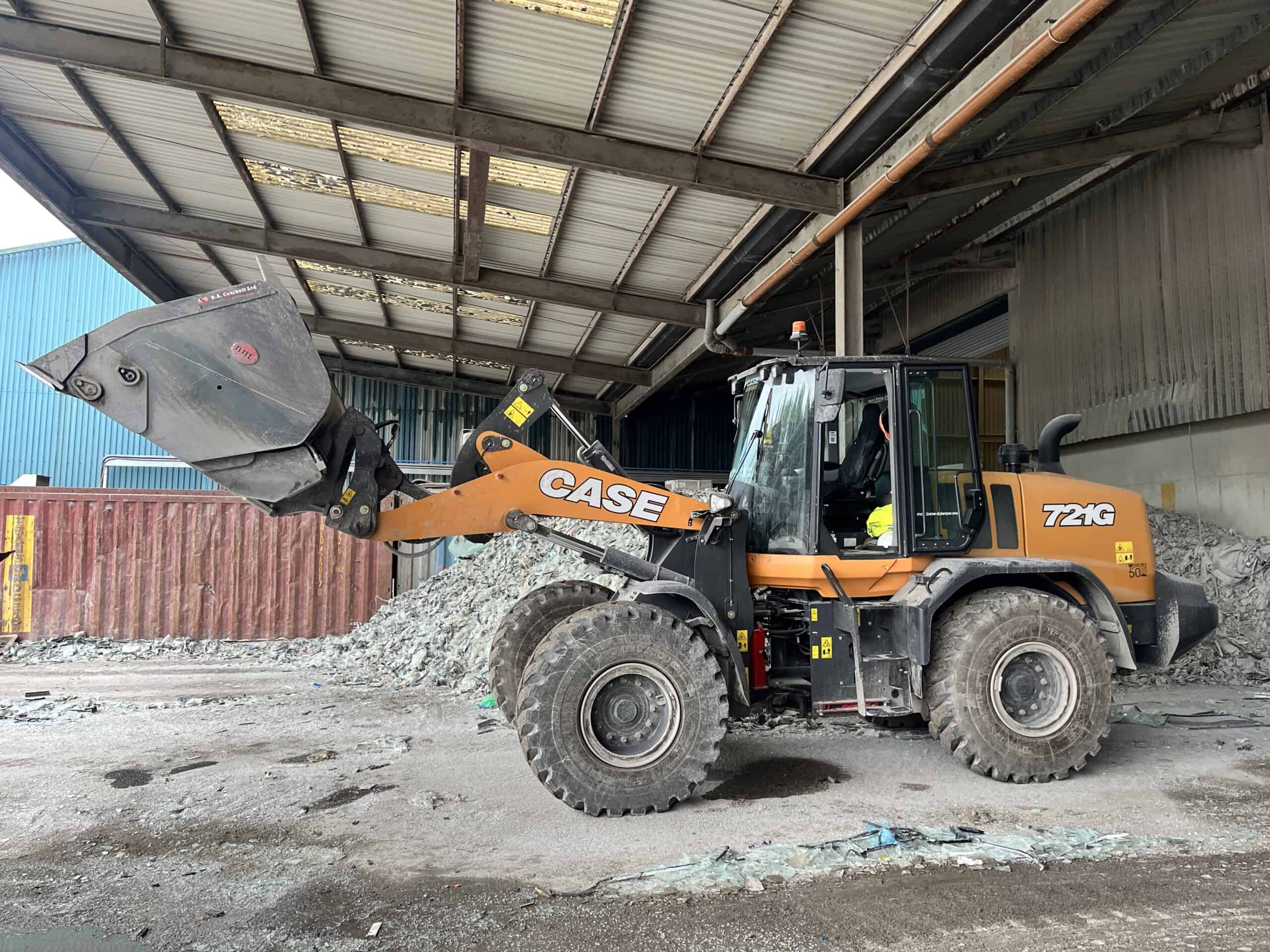
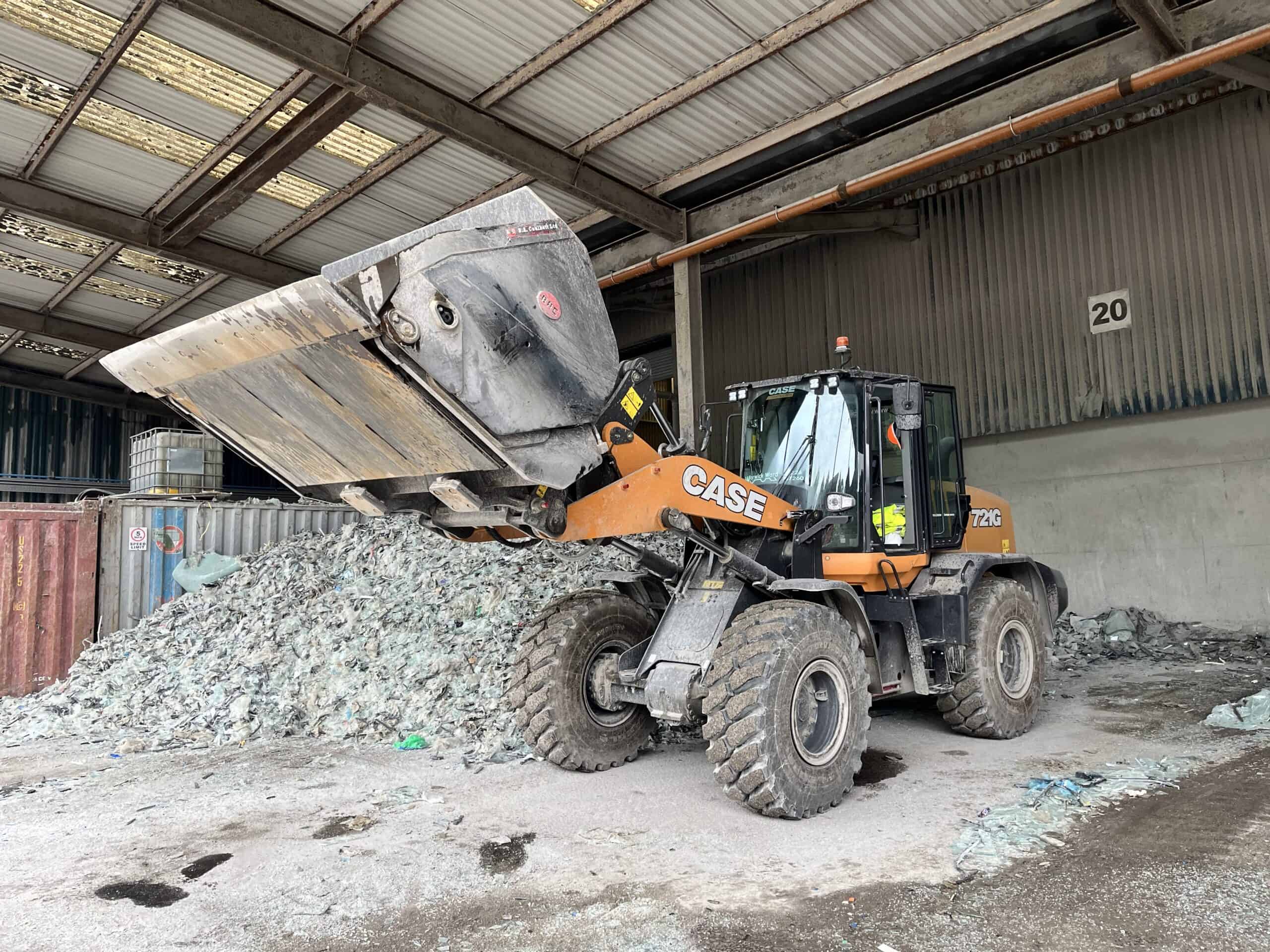
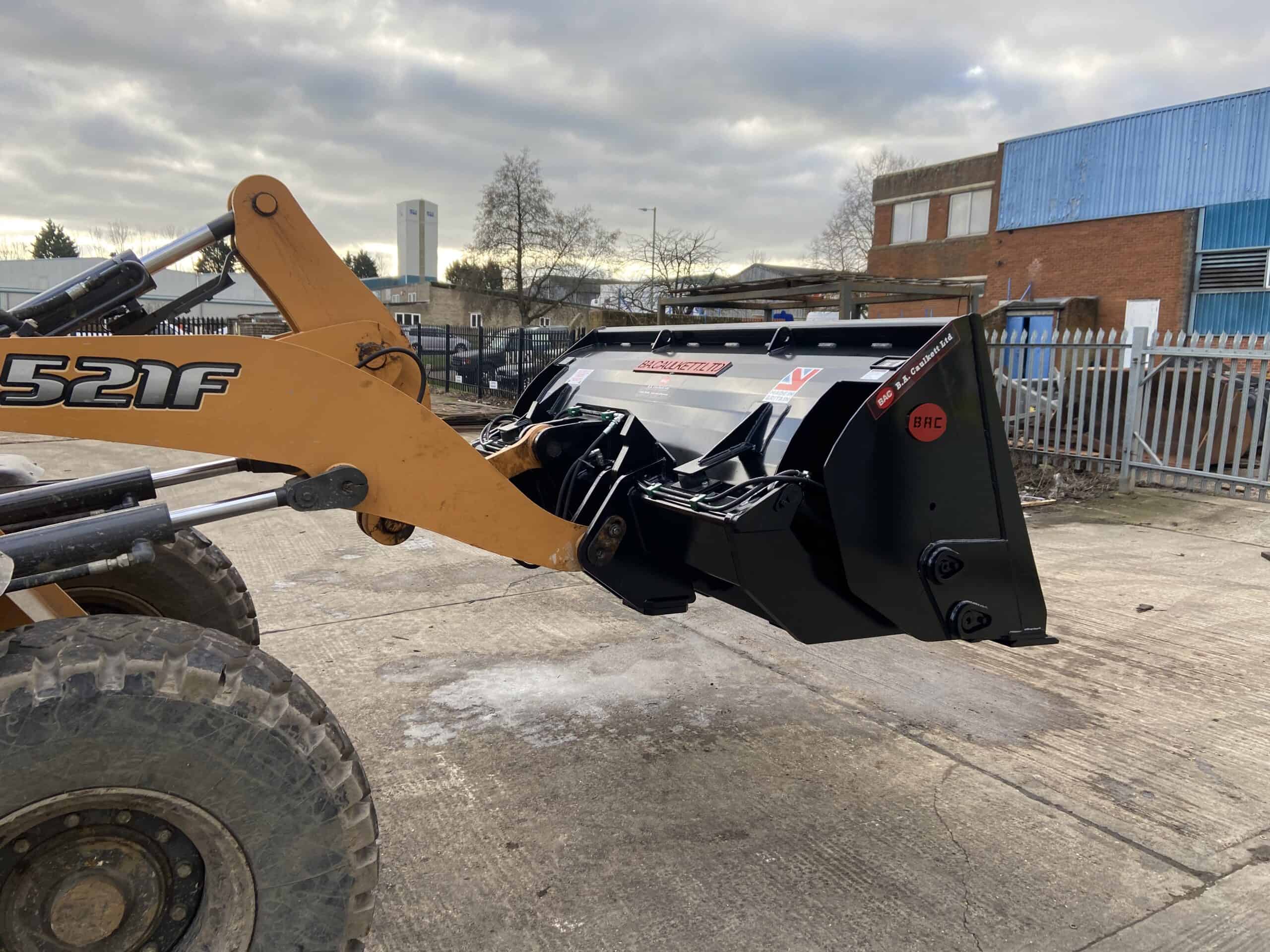
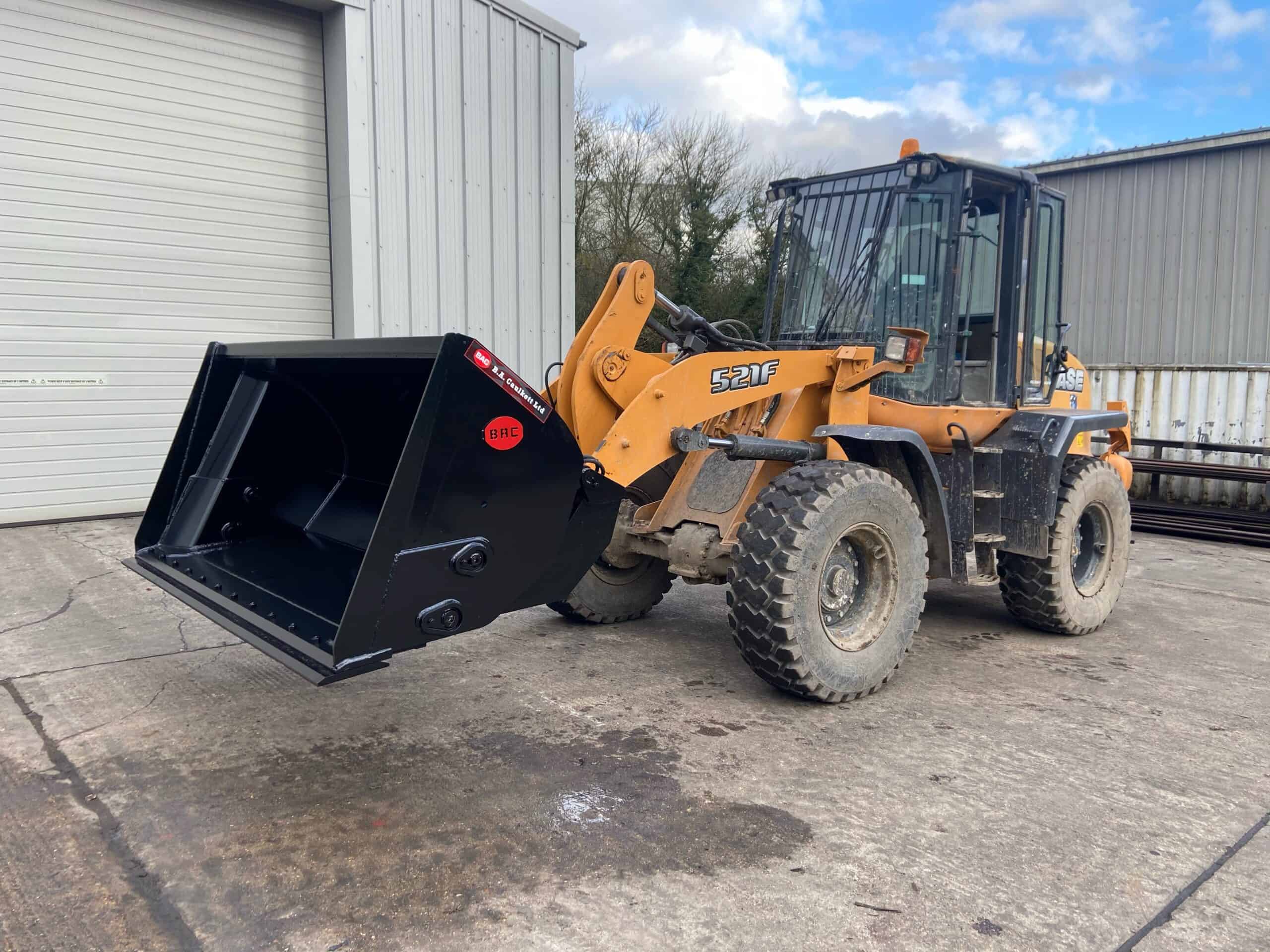
Expertly engineered to complement Case’s leading models such as the 521G, 621G, 651G, 721G, 821G, 921G, 1021G and 1121G, our attachments enhance both performance and safety on site.
Boost Productivity : Designed for fast attachment changes and smooth hydraulic operation, our products are ideal for high-cycle environments.
Durability as Standard: With robust build quality and stress-tested designs, B. A. Caulkett attachments stand up to demanding workloads and harsh conditions.
Operator-Friendly Design: Every attachment is crafted with the end user in mind—simple to operate, safe to handle, and ergonomic to use.
B. A. Caulkett Attachments for Case Wheel Loaders
When it comes to maximising the performance and versatility of your Case wheel loader, B. A. Caulkett’s range of loading shovel attachments is second to none. Designed and built in the UK to the highest standards, our High Tip Buckets and Pusher Blades are perfectly matched to the Case G-series wheel loaders, including the 521G, 621G, 651G, 721G, 821G, 921G, 1021G and 1121G models. These attachments are trusted across the agricultural and anaerobic digestion (AD) biomass sectors, where efficiency, durability, and reliability are essential.
High Tip Buckets – Maximising Capacity and Reach
B. A. Caulkett High Tip Buckets are specifically engineered to handle light but bulky materials such as cereals, grains, silage, maize, and biomass feedstocks. The high-tip mechanism increases discharge height and reach, allowing operators to load high-sided trailers and hoppers with ease. For agricultural users, this means faster loading cycles and reduced spillage, improving productivity during harvest and storage operations.
In AD biomass facilities, where large volumes of feedstock must be moved quickly and efficiently, High Tip Buckets provide the ideal solution. Their robust design ensures they can cope with the demanding nature of biomass handling, while the smooth tipping action makes them particularly well-suited for loading reception hoppers and feeding systems.
Pusher Blades – Efficiency in Bulk Handling
Our Pusher Blades are designed to maximise the efficiency of Case wheel loaders in bulk material handling. Whether you are clearing silage clamps, pushing biomass into storage, or managing grain stores, the pusher blade offers superior control and faster throughput compared to traditional methods. Built with strength and longevity in mind, they are able to withstand the rigours of repeated heavy-duty use in both agricultural and AD settings.
For operators of the Case G-series wheel loaders, the addition of a B. A. Caulkett Pusher Blade transforms the machine into a highly efficient tool for managing large quantities of material, helping to cut down on operating times and fuel costs while ensuring consistent results.
Perfect Match for Case G-Series Wheel Loaders
The Case wheel loader range from the 521G through to the 1121G is renowned for power, versatility, and operator comfort. B. A. Caulkett attachments are engineered to complement these qualities, ensuring seamless integration with the loader’s performance capabilities. Our High Tip Buckets and Pusher Blades are not only easy to fit but are also designed to make full use of the strength, hydraulic performance, and stability that Case loaders provide.
By combining B. A. Caulkett attachments with Case loaders, agricultural and AD biomass operators gain a powerful, adaptable solution that maximises efficiency in every aspect of material handling.
The BAC Brochure contains details on all of the loading shovel attachments we design and manufacture