

A waste handling bucket is a loading shovel attachment that is used for the loading of waste and other entities across a range of industries, including agriculture and construction.
Waste handling buckets are specifically designed for handling various types of waste materials, including household waste, construction waste, industrial waste, and demolition waste. They are commonly used in applications such as:
- Landfills: Waste handling buckets are often used to move waste materials around landfill sites. They can be used to excavate waste from the ground, transport it to other areas of the site, and load it into compactors for final disposal.
- Waste transfer stations: Waste handling buckets are also used in waste transfer stations, which are facilities that temporarily store waste before it is transported to a landfill or other disposal facility. They can be used to load waste onto transfer vehicles or compactors for transportation.
- Recycling facilities: Waste handling buckets can be used to move recyclable materials such as metal, plastic, and glass within recycling facilities. They can be used to load materials onto conveyor belts, sorting machines, or other processing equipment.
- Construction sites: Waste handling buckets can be used on construction sites to move and transport various types of waste materials, such as demolition debris, scrap metal, and excess soil.
- Municipal waste management: Waste handling buckets can be used by municipalities for collecting and transporting household waste, such as garbage and recycling, from residential areas to waste management facilities.
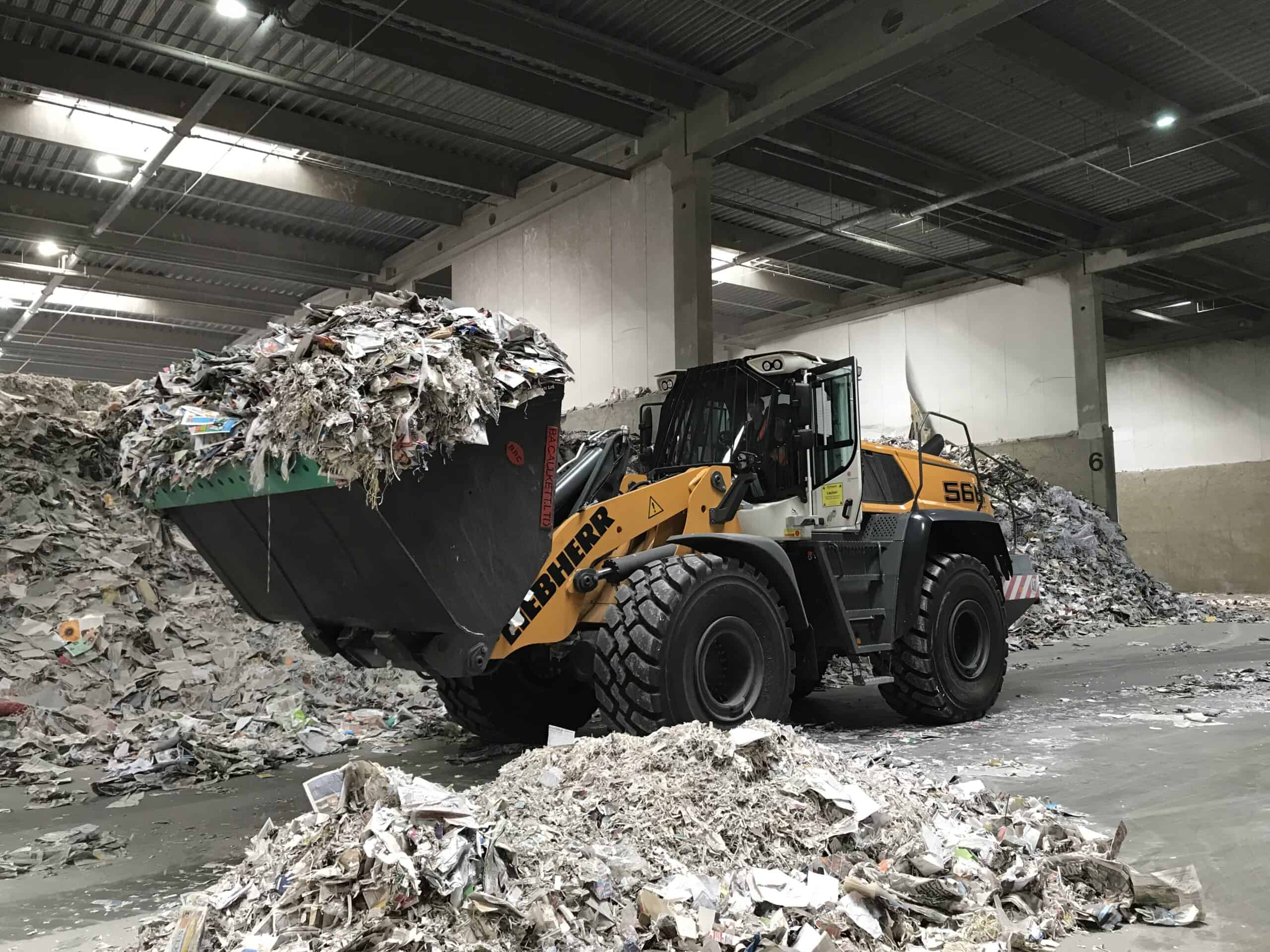
Waste Handing Buckets
Our waste handling buckets provide very low ground clearance, a factor that helps to maximises shovelling efficiency and minimises waste. The heavy duty attachment is designed to excel in demanding industries, such as agriculture and construction, and offers long lasting durability.
A high tip bucket is ideal for use with light materials, including waste, and facilitates tipping at a height. This maximises compatibility its with high sided vehicles such as walking floor trailers and hoppers. The product is specially designed to provide a full range of required tipping angles for efficient and controlled loading and bucket emptying.
The Right Waste Handling Bucket for You
We are experienced industry experts and understand that every operation is unique and requires a bespoke product tailored to their specific requirements. A tailored product can help you to optimise efficiency and improve productivity.
Therefore, our buckets are available in a range of sizes from 1cm³ to 14cm³ and with either quick hitch or direct mount fitment.
Product Specification
Given the application that waste buckets are often used, the products do experience wear and tear. Bolt on reversible wear edges provide a longer life and are easy to replace. Similarly, bolt on heel plates protect elements of the product that are exposed to mechanical abrasion and allow for easy replacement. Meanwhile, closing dampeners on the bucket frame help to reduce noise. This product comes with all required hoses and fittings.
Key Technical Considerations
- Wheel loader operating weight
- Safe lifting capacity
- Tipping load
- Bucket capacity (m³)
- Material bulk density
- Typical operating conditions
Why does it matter?
The correct bucket size should be matched to your wheel loader’s operating weight, safe lifting capacity and tipping load, as well as the density of the material being handled.
A bucket that is too large can overload the machine, reduce stability and accelerate wear, while a correctly matched bucket maximises productivity and maintains safe operation.
Prevents overload and maximises machine performance.
Key Technical Considerations
- Household waste
- Commercial and industrial waste
- Refuse-derived fuel (RDF)
- Solid recovered fuel (SRF)
- Woodchip
- Compost
- Biomass
- Green waste
- Plastic recycling
- Paper and cardboard
- Light construction waste
Why does it matter?
Different waste materials vary significantly in density, moisture content and handling characteristics.
Knowing the primary waste stream allows the manufacturer to recommend the correct bucket capacity, side profile, spill guard arrangement and wear protection for maximum efficiency.
Optimises bucket capacity and productivity.
Key Technical Considerations
- Wheel loader make and model
- Operating weight
- Loader linkage type
- Quick hitch specification
- Hydraulic requirements (if applicable)
Why does it matter?
Correct compatibility ensures the bucket is supplied with the appropriate mounting brackets and attachment geometry for your machine.
Matching the bucket correctly maximises breakout force, tipping performance and operational safety.
Guarantees correct mounting and safe operation.
Key Technical Considerations
- High-strength wear-resistant steel
- Replaceable bolt-on cutting edges
- Wear strips
- Heel plates
- Reinforced side plates
- Double-skinned floors
- Internal strengthening
Why does it matter?
Waste handling environments are highly abrasive and place continuous stress on bucket components.
Quality wear protection extends service life, reduces downtime and lowers long-term maintenance costs.
Increases durability and reduces maintenance costs.
Key Technical Considerations
- Increased bucket capacity
- Reduced material spillage
- Faster loading cycles
- Improved material retention during transport
- Enhanced operator visibility
- Optimised bucket shape for filling and emptying
- Lower fuel consumption through efficient loading
Why does it matter?
The most productive waste handling bucket is not always the largest. Well-designed buckets improve loading efficiency, reduce spillage and shorten loading cycles while using less fuel.
Selecting the right bucket design increases tonnes moved per hour and lowers the overall operating cost per tonne handled.
Reduces loading times, increases productivity and lowers operating costs.
