Rapid exchange of attachments
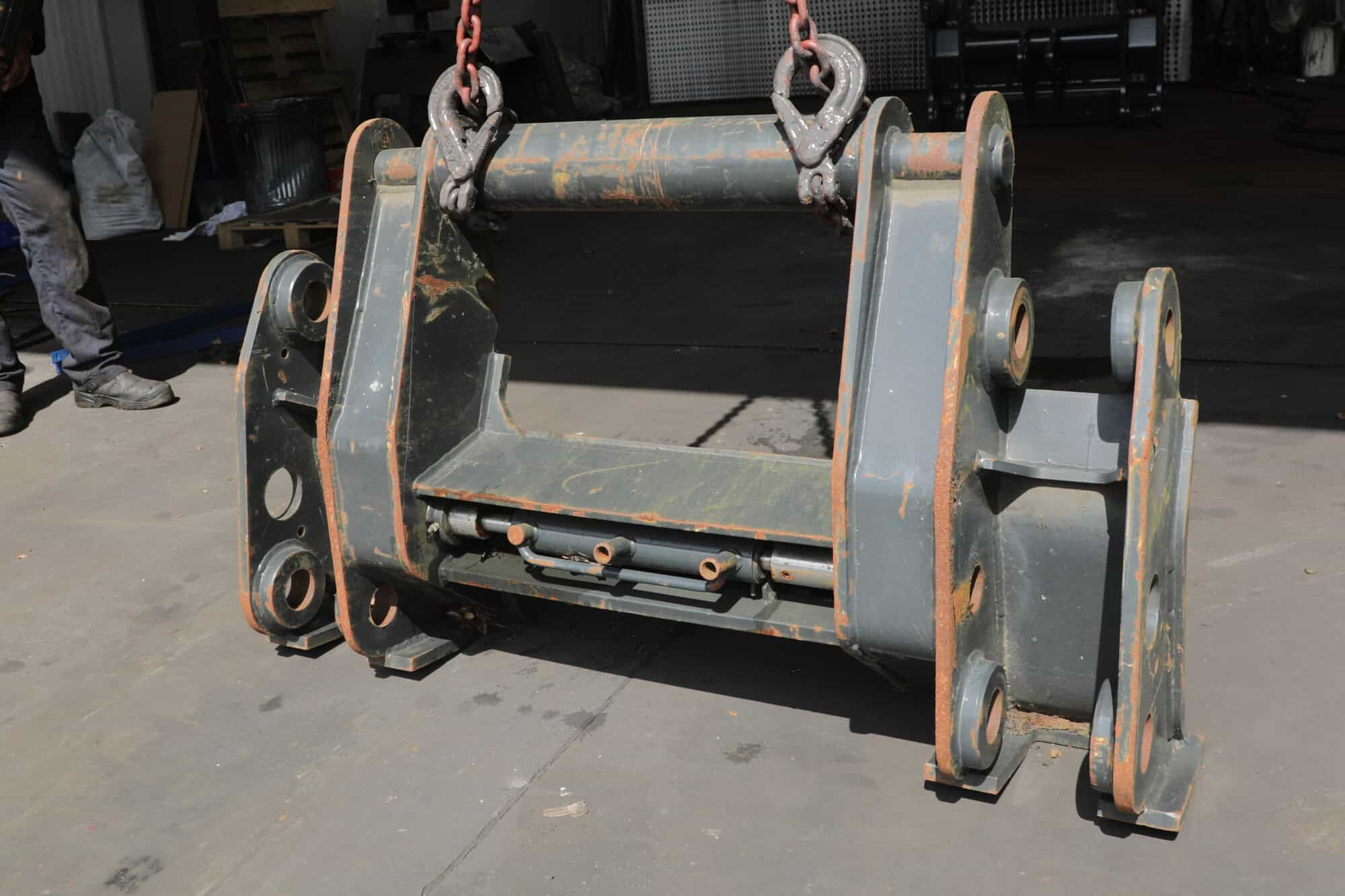
Quick hitch couplers, commonly referred to as quick hitches, are an essential accessory in the construction and heavy machinery industries. They are primarily used to facilitate the rapid exchange of various attachments on equipment such as excavators and loading shovels. This device saves significant time and labour compared to manual attachment changes, enhancing productivity and safety on job sites.
Simple Connection
A quick hitch coupler is designed to connect attachments without the need for multiple pins and manual adjustment. It typically consists of a bracket that mounts to the machine and a mechanism that locks onto the attachment. The operator can change tools — be it a high tip bucket, general purpose bucket, hammer, or other implements — without leaving the cab of the machine. This is particularly beneficial in harsh weather conditions or when working in muddy, unsafe terrains.
Mechanical & Hydraulic
There are several variations of quick hitch couplers, catering to different machines and operational requirements. The most common types are mechanical and hydraulic couplers. Mechanical hitches are operated manually, requiring the operator to leave the cab to secure the attachment. Despite the need for manual intervention, they are less expensive and simpler to maintain than their hydraulic counterparts. Hydraulic hitches, on the other hand, offer the convenience of switching attachments directly from the cab with the push of a button, significantly speeding up the process and reducing physical strain on the operator.
Invaluable for loading shovels
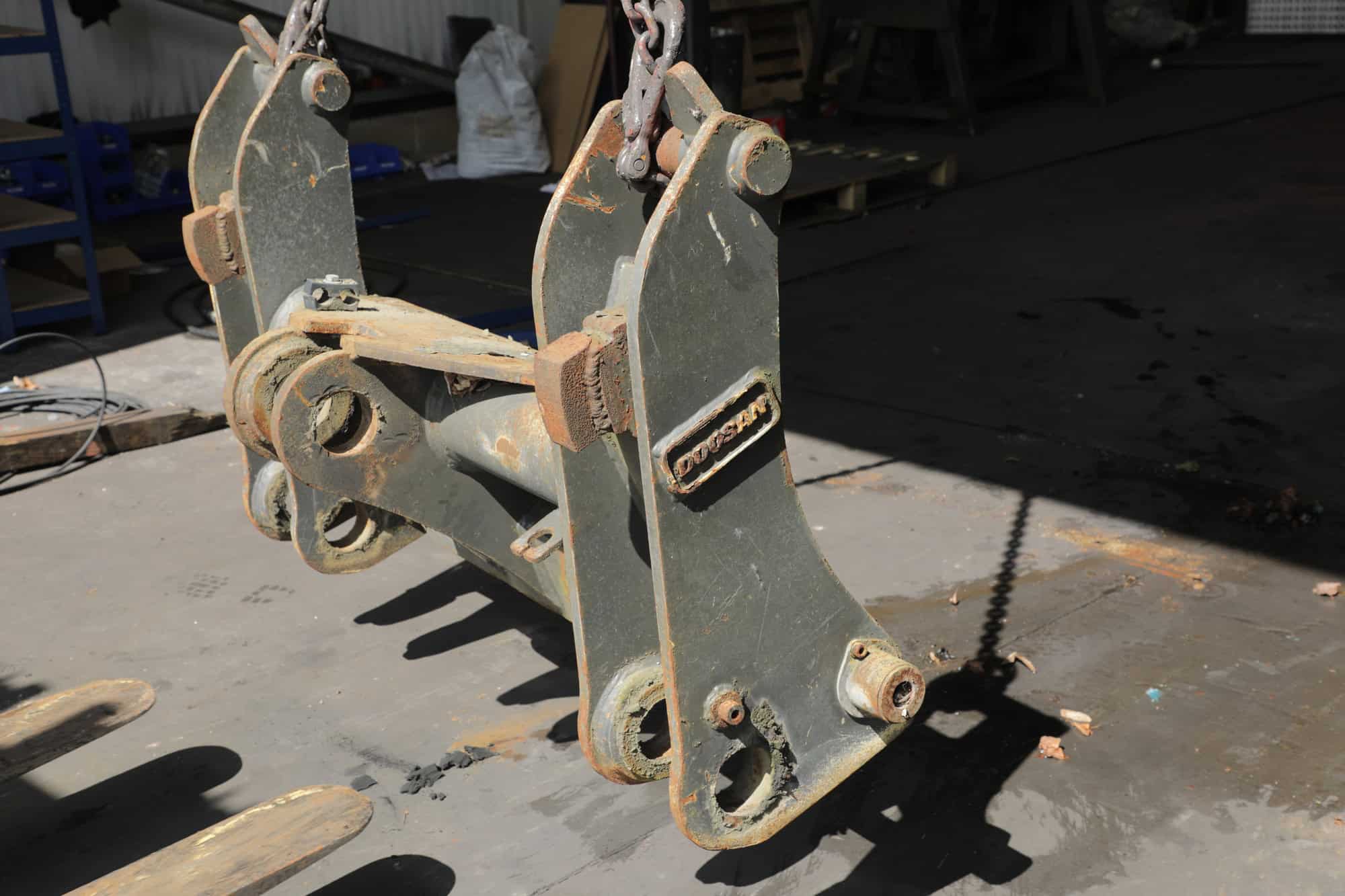
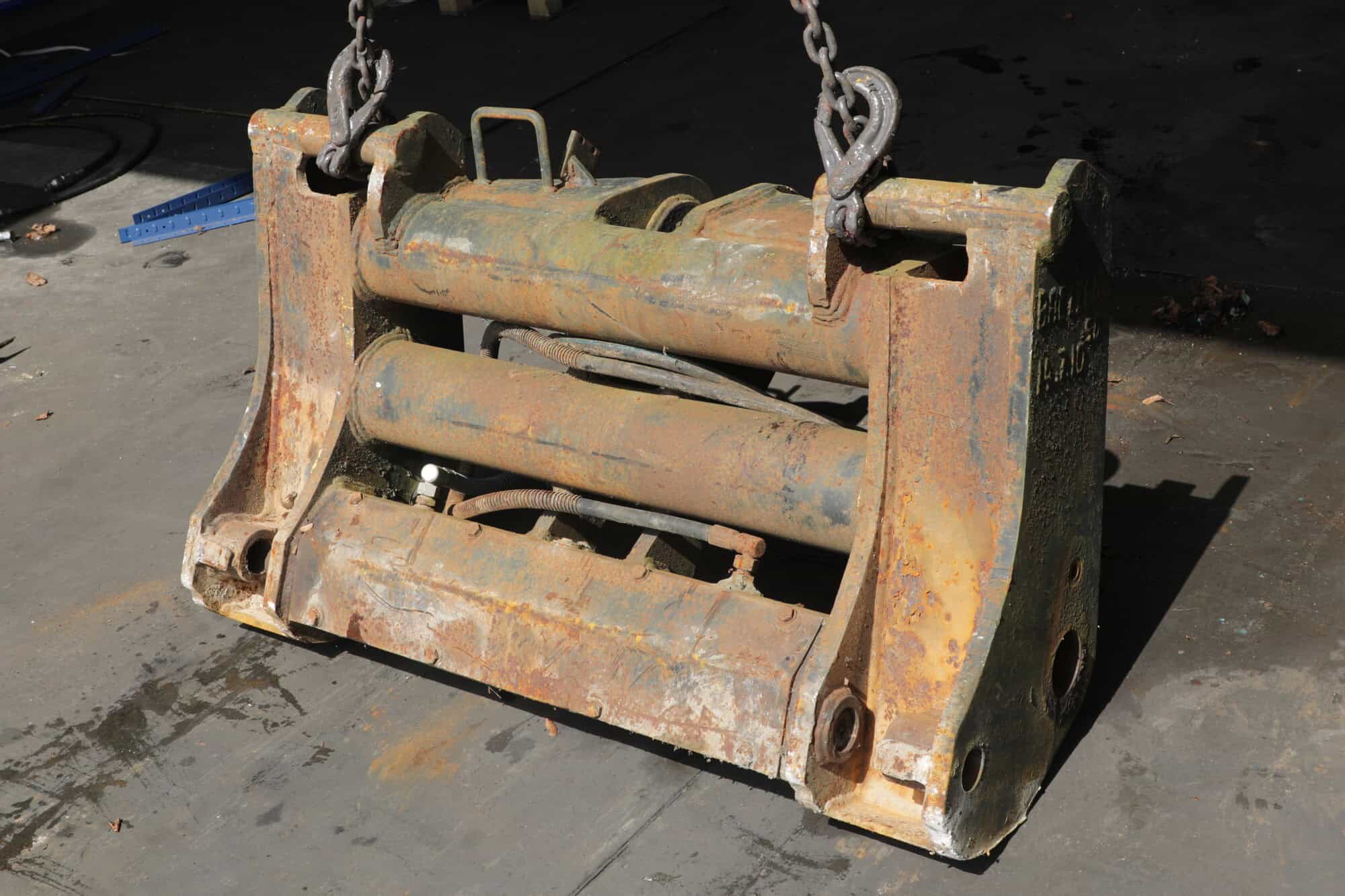
In the context of loading shovels, quick hitch couplers are invaluable. These tools are frequently used to move large volumes of materials such as sand, gravel, and earth. The ability to quickly switch between a digging bucket and a loading bucket, for example, can lead to more efficient operations and optimal use of equipment. This versatility is crucial in projects where time constraints and the variety of tasks require quick adaptation and minimal downtime.
Reducing Risk at Changeovers
The advantages of using quick hitch couplers extend beyond simple convenience. They significantly enhance worksite safety by reducing the risk associated with manual attachment changes. Traditional methods often involve handling heavy machinery parts and tools, posing potential injury risks. With quick hitches, the secure locking mechanisms ensure that attachments are held firmly, minimising the chance of accidental detachment. Additionally, by allowing operators to remain in the cab during changes, exposure to potential hazards is further reduced.
Precise connections
Moreover, the use of quick hitch couplers contributes to the longevity of machinery. The precise and secure connection minimises wear and tear on the pins and bushes of the attachment points, which can otherwise lead to premature equipment failure. The efficient switching mechanism also ensures that the right attachment is used for the right task, optimising machinery use and maintaining operational integrity.
Bolstering efficiency and enhancing safety
Quick hitch couplers are a transformative innovation in the machinery industry. They not only bolster efficiency by facilitating swift attachment changes but also enhance safety and prolong equipment lifespan. Whether through mechanical or hydraulic means, these devices have become indispensable tools in modern construction, mining, and landscaping operations, underscoring their importance in a competitive and fast-paced industry.
Technical & Operational Aspects of Purchasing A Used Quick Hitch Coupler
When purchasing a used or second-hand quick hitch coupler, it’s crucial to consider both technical and operational aspects to ensure you’re investing in a reliable and safe component. Here’s a comprehensive guide on the key factors to evaluate:
Compatibility
First and foremost, ensure that the quick hitch coupler is compatible with your machinery. Check the make and model of both the coupler and your equipment to confirm a match. This includes verifying that the coupler can handle the size, weight, and type of attachments you plan to use. Incompatibility can lead to operational inefficiencies and potential safety hazards.
Condition
Inspect the physical condition of the coupler thoroughly:
- Pins and Bushes: Look for wear and tear on the pins and bushes as these are high-stress points. Excessive wear can lead to attachment failures.
- Locking Mechanism: The locking mechanism should operate smoothly and securely. Test it multiple times to check for consistent performance.
- Structural Integrity: Check for cracks, bends, and rust, especially in the coupler’s body and attachment points, which can compromise strength and functionality.
Hydraulic System (if applicable)
For hydraulic quick hitches, inspect the hydraulic system:
- Hoses and Seals: Check for leaks, cracks, or degradation in hoses and seals. These can lead to hydraulic failure and operational downtime.
- Cylinders: Ensure the hydraulic cylinders are functioning correctly and do not show signs of leaking or damage.
Safety Features
Safety is paramount with quick hitch couplers:
- Safety Pins: Some models come with manual safety pins as an added precaution. Ensure these are present and functional.
- Locking Indicators: Some advanced models have visual or electronic indicators to confirm the coupler is locked safely. Verify these systems are operational.
Manufacturer’s Guidelines
Refer to the manufacturer’s maintenance and operation guidelines:
- Maintenance Records: Ask for the maintenance history to check if the coupler has been serviced according to the manufacturer’s specifications.
- Recalls and Updates: Check if the model had any recalls or required upgrades and if these have been addressed.
Operational History
Understanding the coupler’s operational history can provide insights into potential future issues:
- Usage: Find out what kind of work the coupler has been used for. Heavy-duty usage may lead to more wear and tear.
- Environment: Equipment used in harsh environments, such as coastal areas where saltwater exposure is common, may have hidden corrosion.
Legal and Compliance Issues
Ensure the coupler complies with local safety regulations:
- Certification: Check if the coupler meets national or international safety standards and certifications.
- Serial Number: Ensure the coupler has a visible serial number for future reference and in case of recalls.
Warranty and Returns
Lastly, if buying from a dealer:
- Warranty: Check if there is a warranty or guarantee period. Even for used equipment, some dealers offer a limited warranty.
- Return Policy: Understand the return policy in case the coupler fails to meet expectations or is found to be incompatible after purchase.
By thoroughly evaluating these aspects, you can make a more informed decision when purchasing a used or second-hand quick hitch coupler, ensuring it meets your needs, performs safely, and provides value for money.
Optimise compatibility and performance
Quick hitch couplers are tailored to fit the specific requirements and design features of various brands of construction equipment, such as Doosan, Liebherr, JCB, Volvo, Case, and New Holland. Each brand often has subtle but important differences in their coupler designs to optimise compatibility and performance with their machinery. Understanding these differences can help in choosing the right quick hitch for specific needs.
Doosan
Doosan quick hitch couplers are known for their robust construction and ease of use. They typically feature a simple yet effective mechanical or hydraulic locking mechanism that ensures a secure connection between the coupler and various attachments. The design prioritises operator ease and safety, allowing changes to be made quickly without sacrificing security.
Liebherr
Liebherr offers advanced quick hitch couplers that are often integrated with their equipment’s electronic management systems. This integration allows for enhanced safety features, such as automatic locking verification, which prevents the operation of the machine unless the attachment is securely locked. Liebherr’s couplers are specifically engineered to maintain the optimal balance and hydraulic performance of their machines.
JCB
JCB quick hitches are designed to match the versatility of their equipment. JCB often focuses on hydraulic quick hitches that can be operated entirely from the cab, providing a high level of convenience and safety. Their couplers are particularly geared towards maximising the efficiency of JCB’s backhoe loaders and excavators, ensuring a tight fit and reliable performance under varying operational conditions.
Volvo
Volvo’s quick hitch couplers are characterised by their durability and safety. Volvo typically uses a universal quick coupler that is compatible with a wide range of attachments, not limited to Volvo’s own. These couplers are engineered to maintain Volvo’s high standards of safety, including features like front pin lock technology, which ensures that the attachment will remain securely in place even in the event of a hydraulic failure.
Case
Case Construction offers quick hitch couplers that are designed for easy maintenance and robust performance. They often employ a visual indicator system to ensure proper attachment, which aids operators in confirming that the hitch has been correctly and safely attached. Case couplers are designed to be tough and are suitable for the rugged demands typical of the environments in which Case machinery operates.
New Holland
New Holland’s quick hitch couplers are designed with a focus on operational simplicity and reliability. They often feature mechanical self-locking mechanisms that do not require hydraulic intervention, ensuring reliability even in low-maintenance situations. New Holland couplers are made to be particularly user-friendly, with fewer moving parts and straightforward operation, suitable for frequent attachment changes.
While all these brands aim to enhance efficiency and safety through their quick hitch designs, their approaches and specific features can vary significantly. This reflects the differing priorities and engineering philosophies of each brand, tailored to their respective equipment’s operational profiles and the typical applications of their machines.