

High-tip buckets, often used in construction, agricultural and waste handling, are specialised attachments designed for specific tasks like loading materials into trucks or containers with high sides. Over time, these buckets can experience wear and tear due to the demanding nature of their applications.
In this post we will consider the factors around the refurbishment of high tip buckets. The question of whether high-tip buckets can be refurbished is indeed a relevant one.
Refurbishing a high-tip bucket typically involves a series of steps to restore it to a functional and safe condition. The extent to which a bucket can be refurbished depends on several factors, including the severity of damage, the type of wear it has endured, and the quality of its original construction.
In this instance B. A. Caulkett professionally fabricated buckets manufactured from high quality materials provide longevity of operation but are also suitable for refurbishment to extend their operating life.
Here are some key considerations when contemplating the refurbishment of high-tip buckets:
- Inspection and Assessment: The first step in refurbishing a high-tip bucket is a thorough inspection. Experienced technicians will examine the bucket for cracks, structural damage, and excessive wear. They will also evaluate the condition of wear edges, teeth, and wear components.
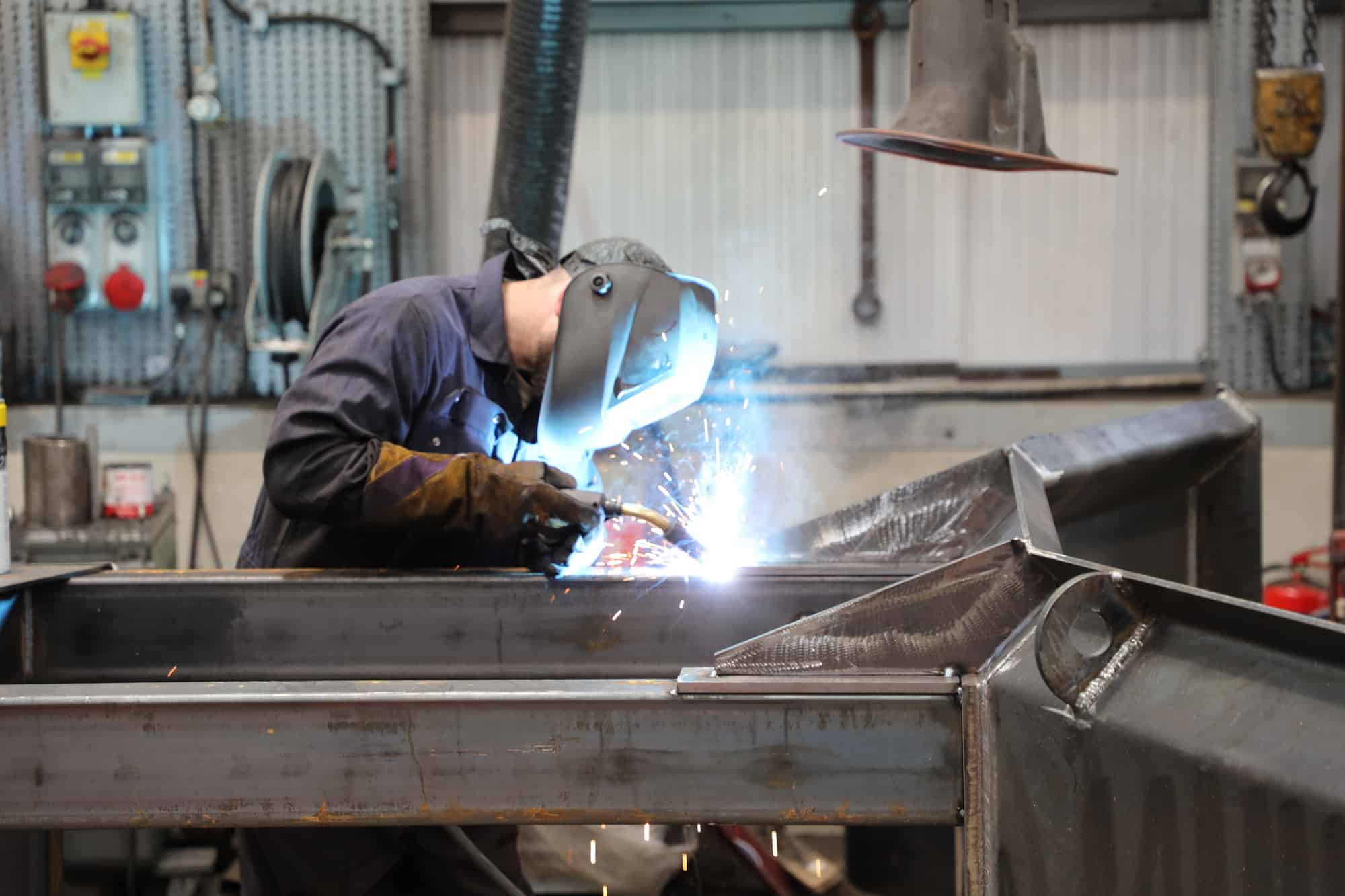
- Repair and Replacement: Depending on the findings during inspection, necessary repairs and replacements are identified. Common repairs may include welding cracks or reinforcing weakened areas. Worn-out cutting edges, teeth, and other wear parts i.e. bushes / rams may need replacement.
- Cleaning and Sandblasting: To prepare the bucket for refurbishment, it is often cleaned and sandblasted to remove rust, old paint, and debris. This step is crucial to ensure that new coatings and materials adhere properly.
- Rebuilding Wear Surfaces: High-tip buckets may have surfaces that have worn down due to operating in an abrasive environment or transporting abrasive materials. Rebuilding these surfaces through welding or the application of specialised wear-resistant materials can extend the bucket’s lifespan.
- Repainting and Coating: Once repairs and surface rebuilding are completed, the bucket is typically repainted and coated. Protective coatings not only enhance aesthetics but also provide corrosion resistance and reduce future wear. BAC with their own in house spray facilities can respray a bucket to your corporate colours as part of the refurbishment process
- Quality Control and Testing: After refurbishment, quality control checks and testing are conducted to ensure that the bucket meets safety and performance standards. This includes verifying that moving parts operate smoothly, there are no hydraulic leaks and that structural integrity is maintained.
- Maintenance and Monitoring: Regular maintenance and monitoring of the refurbished high-tip bucket are essential to ensure its continued functionality and longevity. Proper lubrication, inspection, and servicing are crucial aspects of this ongoing care. Refurbishment of a bucket provides the opportunity to retrofit an automatic lubrication system – thus further extending the buckets usable life.
Assessment & Inspection of a High Tip Bucket
Inspecting and assessing a used high tip bucket to determine whether refurbishment is a viable option involves a thorough evaluation of its overall condition, structural integrity, and functionality. This process can help you make an informed decision about whether refurbishment is a cost-effective solution or if it’s more practical to purchase a new bucket.
A low quality high tip bucket manufactured from lower quality materials may unfortunately be non viable for repair and refurbishment.
Firstly, start by conducting a visual inspection of the high tip bucket’s exterior. Look for any visible signs of wear, damage, or corrosion. Check for cracks, dents, or significant rust on the bucket’s surface. These visual cues can provide an initial impression of the bucket’s condition and help identify areas that may need closer examination.
Next, closely inspect the structural components of the bucket. Examine the welds, joints, and connections for any signs of stress, fatigue, or weakening. Pay special attention to the attachment points that connect the bucket to the equipment, as these areas are critical for safe operation. If there are any visible issues with the bucket’s structure, it may indicate a need for refurbishment.
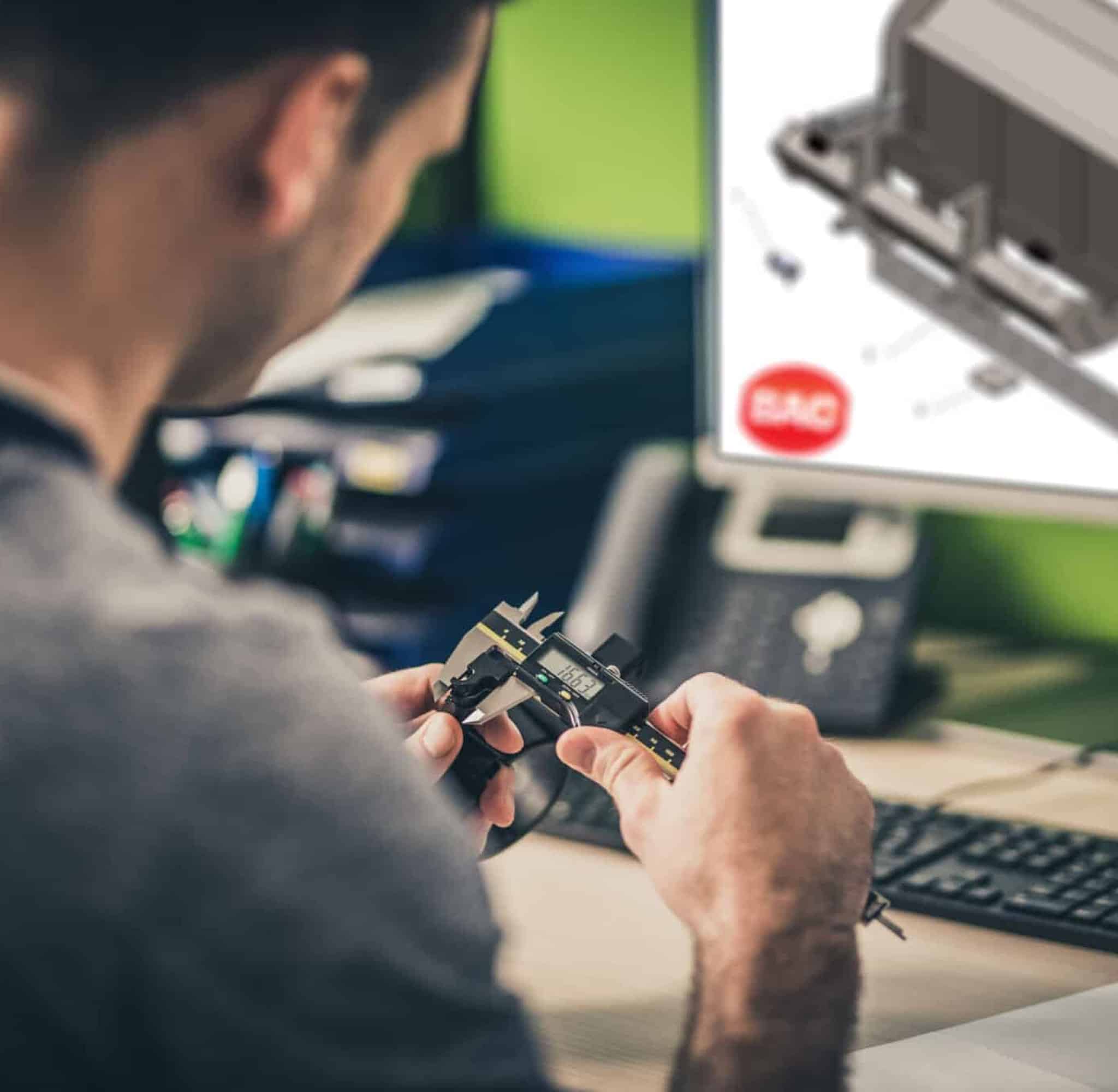
Assess the wear and tear on the bucket’s cutting edge and teeth. These components are essential for efficient material handling. Measure the thickness of the cutting edge and inspect for excessive wear or damage. If these components are significantly worn or damaged, refurbishment or replacement may be necessary to maintain optimal performance.
Hydraulic Systems & Moving Parts
Evaluate the hydraulic system that controls the high tip bucket’s movements. Check for leaks, malfunctioning valves, or hydraulic hose damage. Ensure that the hydraulic cylinders are operating smoothly and without undue resistance. Any issues with the hydraulic system should be addressed promptly, as they can affect the bucket’s performance and safety.
Consider the overall usability and efficiency of the high tip bucket. Assess its ability to tip and release materials effectively. If it’s experiencing problems in these areas, it could impact productivity and safety in the working environment, making refurbishment a reasonable option to restore its functionality.
Refurbishment versus New
Finally, calculate the cost of refurbishment versus the cost of purchasing a new high tip bucket. Factor in the extent of repairs needed, labour costs, and the availability of replacement parts. Consider the projected lifespan and performance of the refurbished bucket compared to a new one. This cost-benefit analysis will help you make an informed decision on whether refurbishment is a viable and cost-effective choice for your specific situation.
Inspecting and assessing a used high tip bucket for refurbishment involves a comprehensive examination of its condition, structural integrity, functionality, and cost considerations. By carefully evaluating these factors, you can make an informed decision on whether refurbishment is a practical and cost-effective option or if it’s more advisable to invest in a new bucket.
Common Repairs or Replacements
Refurbishing a high-tip bucket, commonly used in construction and substrate equipment, involves several common repairs and replacements to ensure the bucket’s optimal performance and safety. These refurbishments are essential to extend the lifespan of the equipment and maintain its efficiency.
One of the most common repairs during a high-tip bucket refurbishment is addressing wear and tear on the bucket’s cutting edge or teeth. Over time, these components can become dull or damaged due to the abrasive nature of the materials they handle. To restore cutting efficiency and productivity, these parts may need to be sharpened or replaced entirely.
The bucket’s structural integrity is another critical aspect that refurbishment addresses. Inspection and repair of any cracks, fractures, or deformities in the bucket body or arms are essential for ensuring the bucket can withstand the heavy loads and harsh conditions it encounters. This may involve welding repairs or even complete replacement of damaged components.
Hydraulic systems play a vital role in the operation of high-tip buckets, allowing for precise control during material handling. During refurbishment, hydraulic components such as hoses, cylinders, valves, and seals should be thoroughly inspected. Any leaks, worn seals, or damaged hydraulic parts should be replaced to prevent hydraulic system failures and maintain safe operation.

Attachments and Liners
Bucket liners, made from wear-resistant materials like Hardox steel, may need to be replaced as they wear down over time. These liners protect the bucket’s interior from abrasive materials and help extend its overall lifespan. A refurbishment process typically includes the inspection and replacement of these liners when necessary.
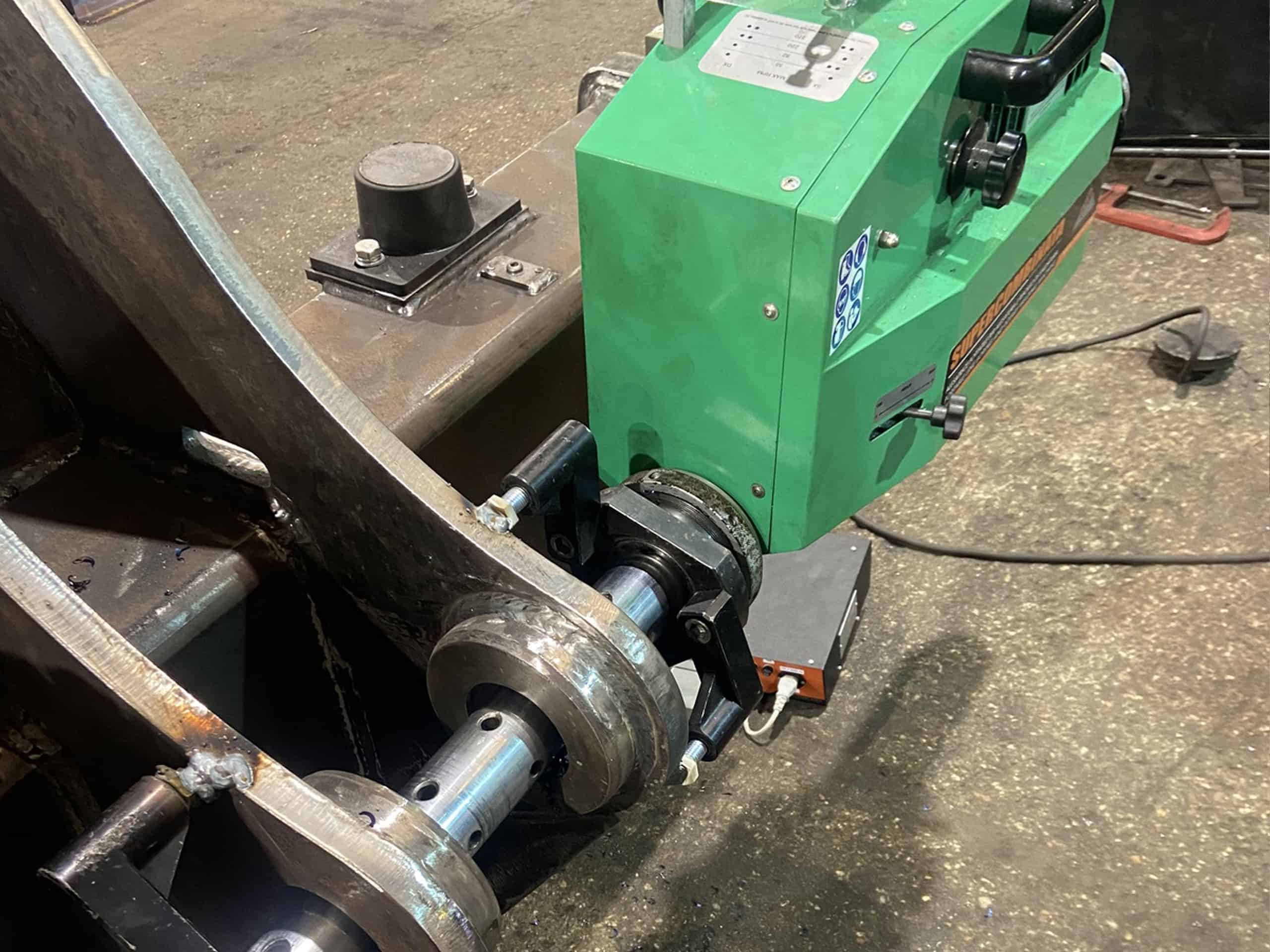
The bucket’s attachment system, which connects it to the equipment’s lifting mechanism, should also be examined during refurbishment. Pins, bushings, and connection points can wear out and become loose over time, leading to decreased stability and efficiency. Replacing these components ensures secure attachment and safe operation.
Paint and finish are often overlooked but are important aspects of a high-tip bucket refurbishment. A fresh coat of paint not only enhances the bucket’s appearance but also provides a protective layer against corrosion, which can severely impact the bucket’s longevity.
Finally, safety features like wear indicators and backup systems should be checked and, if needed, upgraded to meet current safety standards. Ensuring that these features are in proper working order is crucial for the safety of equipment operators and bystanders.
A high-tip bucket refurbishment typically includes repairs and replacements of cutting edges, structural components, hydraulic systems, bucket liners, attachment points, and safety features. Addressing these common areas of concern helps extend the bucket’s lifespan, maintain its efficiency, and ensure the safety of equipment operators and those working in its vicinity.

High-tip buckets can often be refurbished to extend their operational life and maintain their efficiency. However, the success of the refurbishment process depends on factors like the extent of damage, the quality of materials used in the original construction, and the expertise of the technicians performing the work. Refurbishing high-tip buckets is a cost-effective alternative to replacing them entirely and can contribute to reducing equipment downtime and operational expenses.
Please call 01440 706429

Key Technical Considerations
- Full inspection of the bucket shell, floor, side plates and tipping frame for fatigue cracks and distortion
- Examination of all structural welds using visual inspection and, where appropriate, non-destructive testing (NDT)
- Measurement of pivot pin and bush wear against acceptable tolerances
- Inspection of hydraulic cylinders for scoring, leaks and rod damage
- Verification that all grease points are functional and accept lubrication
- Functional tipping test to ensure smooth operation throughout the complete tipping cycle
Why does it matter?
A comprehensive inspection ensures the bucket is structurally sound and safe to return to service.
It provides confidence that hidden defects have been identified before delivery, reducing the likelihood of costly downtime or unexpected repairs.
Confirms the bucket is safe, reliable and ready for demanding operational use.
Key Technical Considerations
- Replacement of worn pivot pins and bushes where necessary
- New or refurbished hydraulic cylinders and seal kits
- Renewal of hoses and hydraulic fittings if required
- Repair or replacement of cutting edges, heel plates and wear strips
- Reinforcement of high-stress areas where wear has occurred
- Replacement of damaged grease nipples, locking devices and fasteners
Why does it matter?
Knowing exactly which components are new, refurbished or original helps customers accurately assess the bucket’s remaining working life and compare its value against purchasing a new attachment.
Provides complete transparency and helps assess long-term value and reliability.
Key Technical Considerations
- Machine make and model compatibility
- Correct quick hitch or mounting bracket specification
- Hydraulic pressure and flow requirements
- Overall bucket width and machine stability
- Rated operating capacity and tipping load
- Clearance throughout the complete tipping cycle
Why does it matter?
Even a high-quality refurbished bucket must match the machine correctly.
Incorrect geometry or hydraulic compatibility can reduce performance, increase wear and create safety risks during operation.
Ensures safe fitment, optimum performance and reliable day-to-day operation.
Key Technical Considerations
- Remaining thickness of the bucket floor and side plates
- Condition of the tipping frame and linkage
- Amount of previous structural repairs
- Wear on pivot points and hinge assemblies
- Overall straightness and alignment of the bucket
- Expected operating hours based on refurbishment work completed
Why does it matter?
Understanding the bucket’s remaining service life enables customers to plan maintenance budgets, calculate return on investment and determine whether the attachment is suitable for intensive daily use.
Helps buyers make informed purchasing and maintenance decisions.
Key Technical Considerations
- Hydraulic system tested under working pressure
- Bucket tipped through its full operating range under load
- Smooth extension and retraction of hydraulic cylinders
- Verification that pivot points operate without excessive movement
- Inspection for hydraulic leaks during testing
- Confirmation that the bucket returns positively to the carry position
Why does it matter?
A successful load test demonstrates that the refurbished bucket performs as intended under realistic operating conditions.
It confirms reliable tipping performance, proper hydraulic function and safe operation before the attachment reaches the customer.
Provides confidence that the bucket is fully operational and ready for work.
